Protect yourself from phone spoofing, fake bank calls, and imposter scams with practical tips from BankCherokee.

At BankCherokee, protecting our clients is at the heart of everything we do. As imposter scams become more common across the country, we want to share practical guidance to help you protect yourself. The more informed you are, the harder you are to fool. Here’s what to watch for, and what to do if something doesn’t feel right.

What Is an Imposter Scam?

An imposter scam (sometimes called a bank impersonation scam) happens when a fraudster pretends to be someone you trust, such as your bank, a government agency, a utility company, or even a family member. Scammers often use technology to “spoof” phone numbers and email addresses so they appear legitimate. The name on your caller ID may look familiar, but that doesn’t guarantee the call or message is actually from who it claims to be. These scams are designed to create urgency and fear. The goal is simple: to pressure you into sharing personal information or moving money before you have time to think.

In recent months, banks across the country have seen scammers use publicly available information—such as Paycheck Protection Program (PPP) loan data—to make their outreach feel familiar and credible.

Common Signs of a Scam

Scammers may vary their stories, but their tactics often follow the same patterns. Watch for these red flags:

1. Urgency or Pressure

You’re told there’s a problem with your account and you must act immediately to “fix” it. Fraudsters want you to panic so you don’t pause to verify.

2. Requests for Sensitive Information

Banks don’t call unexpectedly to ask for sensitive information, such as:

  • Online banking usernames or passwords
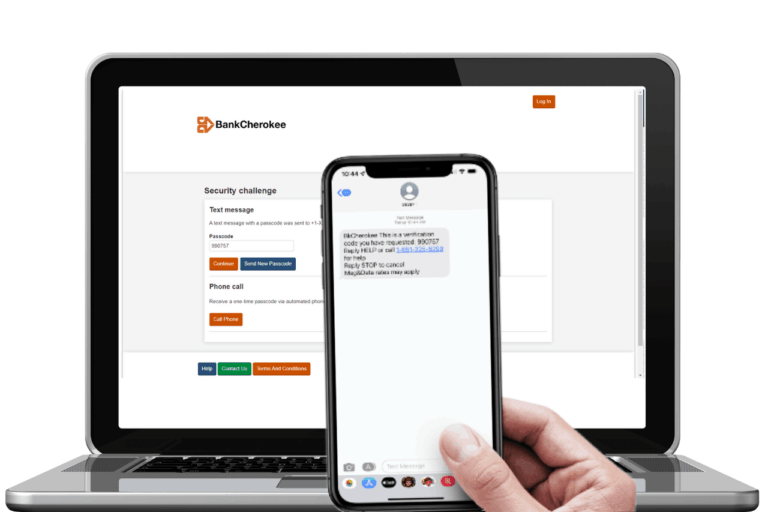
  • One-time passcodes sent to your phone
  • Full account numbers
  • Your Social Security number

If you receive an unexpected request for this type of information, hang up.

3. Instructions to Visit an Unfamiliar Website

Scammers may provide a link that looks convincing but leads to a fake website designed to capture your credentials. Before clicking any link, verify that it leads to your bank’s official website—and when in doubt, don’t click at all.

4. Caller ID That “Looks Right”

Caller ID spoofing can make a scam call appear to come your bank’s phone number. If something feels off, even if the number looks legitimate, trust your instincts.

5. Unexpected References to PPP Loans

Calls or emails that mention PPP loans, forgiveness, or related ACH activity—especially when paired with urgency or requests for information—are a growing warning sign.

What To Do If You Receive a Suspicious Call

If you think someone is impersonating your bank:

  1. Do not provide any information. Even confirming small details can help scammers.
  2. Do not click on links or visit websites they provide.
  3. Hang up immediately.
  4. Call your bank directly using the number on their website or the back of your debit card.
  5. Report the incident so your bank can document it and help protect others.

What If You’ve Already Shared Information?

First: take a breath. Scammers are professionals at manipulation, and anyone can be targeted. There’s nothing to feel embarrassed about. Just make sure you act quickly:

  • Contact your bank right away to report what happened and get guidance on next steps.
  • Change your online banking password and any other accounts that use the same password.
  • Monitor your account activity closely for anything unusual.
  • If sensitive personal information was shared, consider placing a fraud alert on your credit.

A fraud alert notifies lenders to take extra steps to verify your identity before opening new accounts in your name. You can place a fraud alert directly through any of the three major credit bureaus:

Placing a fraud alert is free and can help protect your credit while you monitor or resolve any concerns.

Acting quickly can help reduce potential impact.

Tips for Staying Ahead of Scammers:

  • Monitor your financial statements and immediately report anything suspicious.
  • Keep your guard up. Scammers often take advantage of current events, such as natural disasters or health scares.
  • Be wary of unexpected messages from old contacts out of the blue.
  • A simple rule to remember: If you didn’t initiate the contact, slow down.

It’s always okay to say, “I’m going to hang up and call my bank directly.” Legitimate organizations will respect that. Scammers will push back or try to keep you on the line.

We’re Here to Help

Fraud tactics may evolve, but so does awareness. At BankCherokee, your security is our priority. If you ever feel uncertain about a call, text, or email claiming to be from us, contact our team directly. We would much rather answer a quick question than see you put at risk.

Staying safe doesn’t mean being suspicious of everything; it means knowing the signs and slowing down when something feels off.

If something doesn’t feel right, trust that feeling and call us.

Similar Posts

Leave a Reply

Your email address will not be published. Required fields are marked *